Cruise Ship Pollution Is Causing Serious Health And Environmental Problems
Table Of Content

Inside the three-mile limit, cruise ships can eject “treated” sewage into our oceans. However, no government agency is charged with ensuring that sewage is properly treated and that it won’t harm humans or aquatic life. In Canadian waters, untreated sewage from cruise ships can legally be dumped outside a 12-nautical mile limit under vessel pollution regulations, which can often overlap into critical habitats. Meanwhile, treated sewage – which includes the waste from toilets and greywater from sinks and laundries – can be discharged three nautical miles from shore.
Heavy Metal Pollution is Causing Sea Turtles to Be Born Female
If the separator, which is usually used to extract oil, is faulty or deliberately bypassed, untreated oily bilge water could be discharged directly into the ocean. Thirty thousand (30,000) gallons of sewage are dumped into the oceans every day by an average-sized cruise ship with three thousand (3,000) passengers and crew. Raw, untreated sewage can be dumped in the ocean once a ship is more than three miles off U.S. shores.
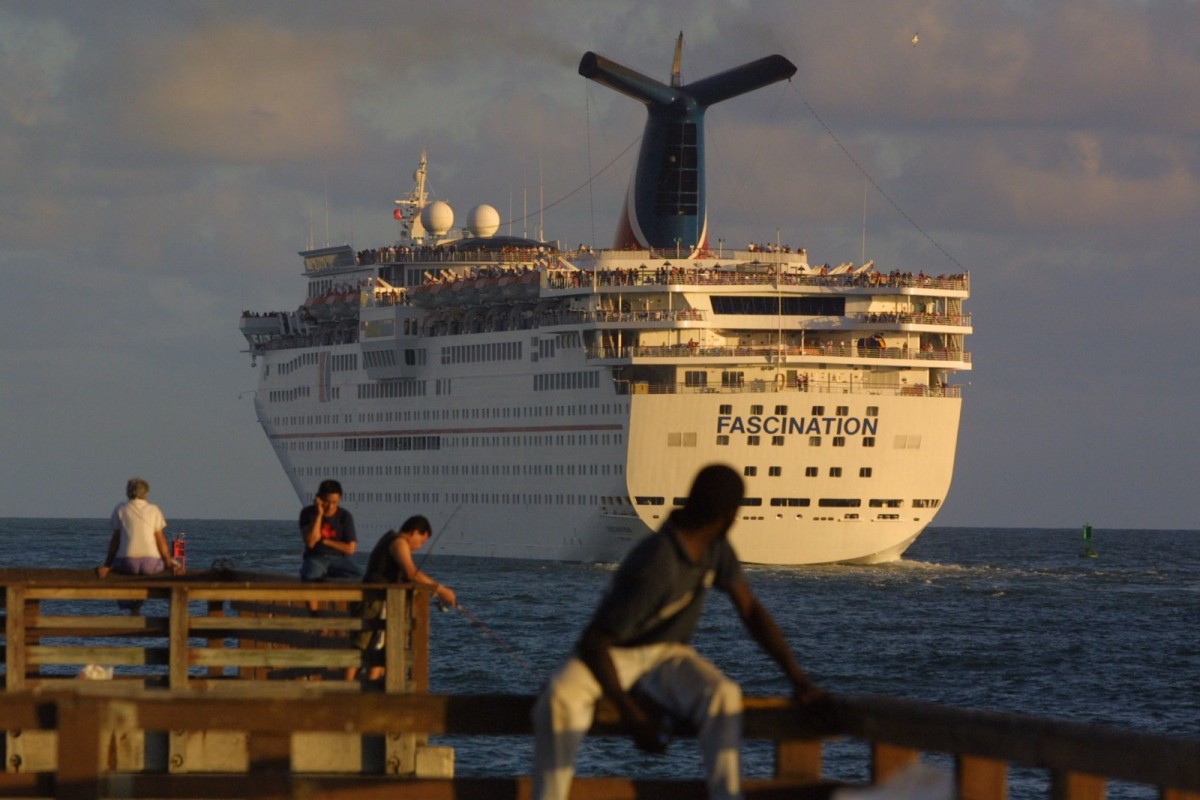
Cruise ships
NYC Discusses New Bill to Curb Cruise Ships' Pollution and Congestion - La Voce di New York
NYC Discusses New Bill to Curb Cruise Ships' Pollution and Congestion.
Posted: Thu, 15 Feb 2024 08:00:00 GMT [source]
It is essential that proper regulations and treatment facilities are put in place to protect marine ecosystems and human health. In fact, cruise ships are responsible for a wide range of ocean pollution, from wastewater discharge to oil spills. As per the Bureau of Transportation Statistics, a 3000-passenger cruise ship generates one million gallons of gray water, 210,000 gallons of sewage and 25,000 gallons of oily bilge water in just 7 days. The 218 cruise ships operating in Europe last year emitted more than four times more sulphur oxides than all the continent’s cars combined, according to the NGO Transport & Environment (T&E). Sulphur dioxide causes respiratory and cardiovascular problems and its pollution is a key component of acid rain. The Clean Water Act requires industries and cities to have a permit to treat and discharge wastes.
Cruise ship waste streams
The cruise industry will continue to pollute the environment until we hit them where it hurts — their pockets. Though maritime environmental protection agencies and marine organisations are working to resolve issues, a lot still needs to be done. In 2019, Carnival Cruise Lines was fined 60 million US dollars for obstructing justice and illegally dumping vast quantities of oil, plastics and garbage into the sea. According to Friends of the Earth, there is a clear worst offender when it comes to environmental crimes.
The impact of oil spills from cruise ships can be devastating to marine life and the environment. Oil spills can harm marine mammals, fish, and birds, and can also impact coastal habitats and beaches. In addition to producing and releasing these waste products, cruise ships can also have considerable damage to surrounding ecosystems due to their sheer size. Even without dredging, the passage of cruise ships can impact bottom dwelling life and cause severe turbidity by stirring up sediment. See video below for recorded footage of coral reefs getting smothered by sediment during a cruise ship passage in Florida. Unlike other vessels, cruise ships dump more wastewater offshore (after passing through a treatment plant), mainly Grey water from sinks, laundries, showers and galleys abroad the vessel.
Cruise ship emissions harm human health and the climate
Is Royal Caribbean’s Icon of the Seas Cruise Ship Really Sustainable? - The New York Times
Is Royal Caribbean’s Icon of the Seas Cruise Ship Really Sustainable?.
Posted: Tue, 23 Jan 2024 08:00:00 GMT [source]
In the sewage treatment category, which looks at whether sewage and greywater treatment systems are used or if sewage is dumped directly into the oceans, none of the companies scored above a C grade. The statistic, while jarring, is a significant decrease from a few years ago, when the organization found ships owned by Carnival Corporation that visited European ports in 2017 emitted 10 times more sulfur oxides than all of Europe's cars. Lying on a busy route for cruise ships, the park holds some of the largest rookeries of Steller sea lions in the world. Each spring, more than 1 million seabirds – including 90% of Canada’s tufted puffins and half of the world’s Cassin’s auklets – breed on the island’s cliffs. The most polluting cruise ships operator was MSC Cruises – whose cruise ships emitted nearly as much SOx as all the passenger vehicles in Europe.
Which cruise company has the worst environmental record?
By also requiring monitoring, testing and reporting, these permits help ensure that sewage treatment systems are effective, and that both the U.S. Environmental Protection Agency (EPA) and the public know how much pollution is actually being discharged. This system also gives citizens the right to sue to enforce provisions of the law when necessary. On a one-week trip to Alaska and back along the Canadian coast, a cruise ship will generate nearly 200m litres of waste from scrubbers, according to the Stand.earth and WCEL report. While ships can decide whether to discharge at sea or within a port, most waste from scrubbers is dumped as it is generated.
Sewage Dumping from Cruise Ships
The emissions from these ships have a significant impact on the air quality of the surrounding areas, including coastal cities and ports. Oil pollution from the shipping industry is the main reason for the increased marine pollution. Cruise ships, huge compared to other vessels, end up burning more heavy fuel oil, one of the dirtiest fossil fuels on the market. Classified as Blackwater, cruise ships deposit around 210,000 gallons of human sewage into the ocean during a week’s voyage.
The cruise ship industry does not have a good record of compliance with the existing weak regulations. Cruise ships emit toxic chemicals from batteries, dry cleaning and industrial products, chemicals for daily operations, and several other substances past their expiry, polluting the waters the ships travel. Environmentalists argue that these chemicals pose a huge threat to the lives of marine creatures and life forms. At sea, when talking about marine transport, there are no clear-cut roads, but issues in the form of pollution exist and persist, threatening our marine environment badly. The 2022 Solent LEP annual report said shore power had saved 1.7m kg of CO2 in a year; that is only a fifth of the annual savings predicted by ABP in its business case submitted to the LEP to obtain the £4.4m grant.
It is estimated that over 50,000 Europeans die prematurely every year as a result of shipping-based pollution. Cruise ships have often been described as ‘floating cities’, and as environmental groups have pointed out that they are just as if not more polluting. A passenger’s carbon footprint triples in size when taking a cruise and the emissions produced can contribute to serious health issues.
Marie Prost-Coletta, part of the neighbourhood organisation Cap au Nord, relocated from the French capital to escape the Parisian air, which she said was detrimental to her husband’s respiratory problems. But in Marseille they found themselves faced with pollution from the sea. A frequent arrival at Barcelona’s port is the Grandiosa, belonging to the cruise company MSC.
“Most governments refuse to enact strong regulations for the cruise industry, ignore the ongoing industry damage to communities and the environment, or cave under industry pressure.” says Marcie Keever from Friends of the Earth US. Of the 18 cruise lines listed, 10 of them - including P&O Cruises, Princess, Cunard and Costa - received an F, the worst grade possible. New research reveals that passengers on a seven-day voyage around the Antarctic can produce as much CO2 as the average European does in an entire year. The drop is largely thanks to a 2020 rule from the International Maritime Organization that lowered the sulfur content limit of ship fuel from 3.5% to 0.5%. However, critics contend a lack of oversight and transparency persists in the industry when it comes to the treatment facilities’ effectiveness.
From the comfort of cruise ships, a typical trip to Alaska offers magnificent views of glaciers and untamed national parks, and visits to quaint seaside towns. For years, these draws have made cruises to Alaska the most booked US holiday. At the global level, regulators should remove an exemption that allows ships to use scrubbers instead of burning low-sulfur fuels, she added. “We know that sulfur in the air is a problem for humans and for wildlife.
“Even though treatment will be quite effective at removing microplastics and other contaminants from wastewater, a large proportion would still end up in the ocean if sewage sludge is discharged overboard,” whether legally or illegally, she said. Experts are also concerned that while these advanced systems may offer a high degree of waste treatment, they don’t fix all problems. Maartje Folbert, a Ph.D. researcher in environmental sciences at the Open University of the Netherlands, said that similar to onshore treatment methods, shipboard systems capture contaminants, such as microplastics, but concentrate them in sewage sludge. Carnival Corporation is the biggest cruise company in the world with 10 cruise lines and is the most notorious cruise company for their environmental impacts.
The cruise industry says the analysis does not consider advanced technologies on cruise ships used to reduce emissions, the use of alternative fuels, or restrictions on emissions in ports. Cruise ship pollution includes large volumes of toxic sewage from toilets, greywater from sinks, showers and laundries, and bilge water – the oily liquid that collects at the lowest part of a ship. By far the largest source of pollution identified in the WWF report was from so-called scrubbers – devices installed to remove exhaust gases such as sulphur oxide and nitrogen oxide, as well as particulates, from the heavy bunker oil used as marine fuel. The scrubbers create an acidic wastewater containing a cocktail of chemicals. A survey by the International Council on Clean Transportation estimates that, worldwide, the shipping industry dumps at least 10 billion metric tons of scrubber wash water into the sea annually; cruise ships account for around 15% of that figure.


Komentar
Posting Komentar